Everyday use


Discover the most common types of germs and how to help prevent them from spreading
No one wants to let germs get in the way of their fun. But to continue spreading the love and not the germs, we need to get to know them a little better.
Most of the microbes in the world are harmless to people. Some types of bacteria even do us good, like the ones in our gut that help us digest food. But it’s worth knowing about these germs (microbes that cause illness), and how they can be spread in your home – especially when you’re hosting loved ones or having unexpected visitors pop over. Make yourself aware of the different ways you can help stop them from spreading to you and your family and keep those pesky, unwelcome germs out of your home.
Germs (also known as “pathogens”) are microscopic organisms that can cause illness and infections if they get into our bodies.
The most common types of germs are:
Different germs spread in different ways. Take bacteria and fungi – they can survive anywhere warm and moist in your home. But viruses are different. Being around one hundredth the size of a bacterium, viruses need to be inside a living host to reproduce. And it’s through this process that they can cause disease and start affecting both you and the people you care about.
Common sources of germ spread:
There are multiple ways that germs can sneak their way into our bodies.
Germs can spread quickly and efficiently. That’s why knowing how germs spread and how they get into your body can help you protect yourself and those around you. Here are some quick hygiene habit tips to help you stop those illness causing germs.
Hand Hygiene
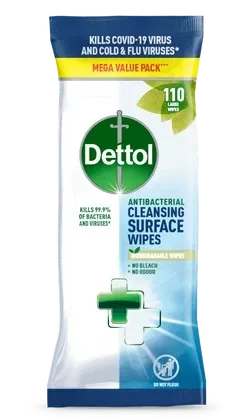
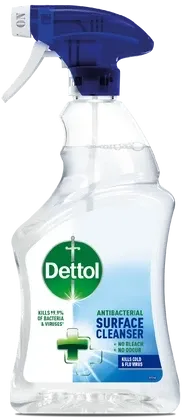
Disinfect regularly touched surfaces
Clean your clothes
For more information on how you can stop the spread of germs, visit our tips page.
*enveloped viruses. Use biocides safely. Always read the label and product information before use.
Everyday use
Everyday use
Know the germ hotspots in your bathroom so you can keep these hygienically clean
Here are our top tips to keep your kitchen and bins clean and disinfected
Discover the complete guide on how to do your laundry with Dettol UK, from stain removal to choosing the right detergent and effective washing techniques.
Discover how you can protect your family from catching a cold.
Cleaning surfaces might be part of your routine already, but did you know you could take it a step further with disinfection?
Cleaning your home isn’t always enough – disinfecting is a crucial part of keeping your home germ-free and hygienic for your loved ones.
Here are some tips to help you reduce your risk of food poisoning at home
Learn more about the COVID-19 virus, the symptoms and expert advise on how to help prevent its spread
With the COVID-19 virus* in the news, many of us want to know how to clean our homes more effectively. We chatted to Dr Lisa Ackerley to find out more.
Whether your child is 3 months, 3 years or starting school, learn how to help protect your child from cold and flu.
Discover ideas on how to prevent flu symptoms for the whole family.
Explore different methods for staying healthy and protecting your family from flu germs.
Having a cold or the flu can be really debilitating leaving you unable to carry on with your everyday activities.
Get ready for cold and flu seasons with these helpful tips.
Discover a quick and effective guide to deep clean your washing machine with Dettol. Say goodbye to stains and hello to a refreshing laundry experience!
Keep your electronics at home hygienic with these simple steps.
Discover expert advice on how to clean and disinfect your toilet effectively
Are my clothes free of bacteria? Do I have to wash at 60°C? Those and other laundry myths debunked
Tips to keep your wheelie bin hygienically clean
Our guide to clean and gleaming floors
The journey of a biodegradable wipe
Understand what plant-powered means and how it can help your home.
Learn how to clean your washing machine drawer with a step-by-step guide. Keep your laundry and washing machine fresh with Dettol.
Learn how to clean your washing machine seal with a step-by-step process. Clean your laundry and washing machine with utmost care with Dettol.
A clogged washing machine filter can cause all sorts of problems. Keep your machine in shape with this easy guide to cleaning washing machine filters.
Hand-washing is an easy way to help prevent the spread of bacteria and viruses. Learn more about when to wash your hands, and how to most effectively do so.
Learn how to plan your trip properly and stay healthy and protected while on holidays
Good hygiene is fundamental for our health. Here’s a short guide on how we can make teaching hygiene more fun for kids.
Keeping harmful germs at bay can be a challenge when you’re out and about. Discover how with these tips
Our top cleaning picks that will make your life as a new mum just that tad bit easier
Essential cleaning tips every pet owner should know
How to keep your home protected against potential risks when raising a baby and a pet